Skip to content

APPLICATION-SPECIFIC SEALING

Polyurethane Inflatable Seals
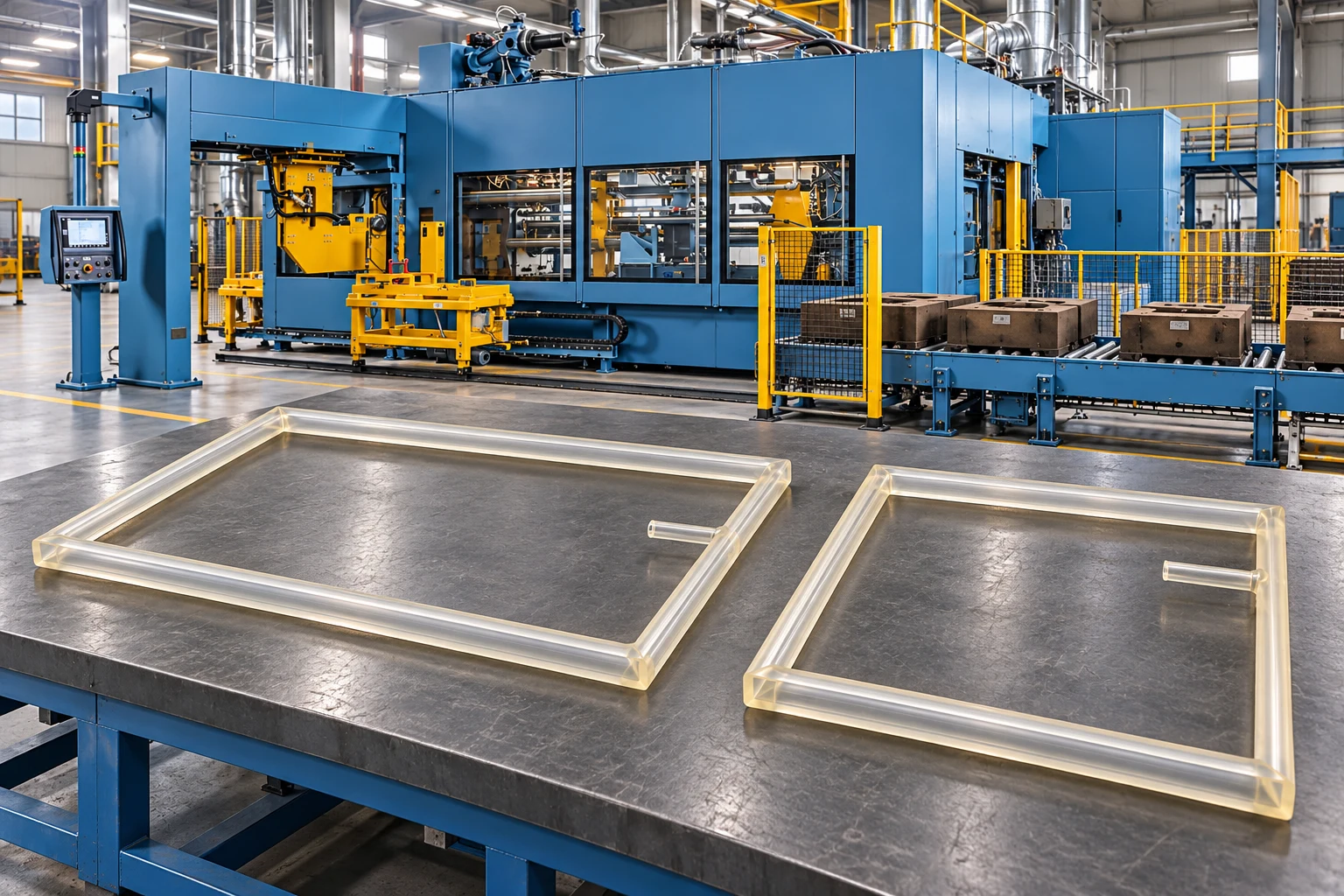
Polyurethane sealing solutions for automatic green sand moulding lines and large-frame foundry equipment. Explore product shapes, air connections and the information needed to assess your machine.

Two rectangular polyurethane inflatable seals with inward-facing air connections in front of a moulding machine.
Polyurethane seal examples with different frame proportions for foundry and moulding systems.

Polyurethane Inflatable Seals

Controlled sealing for foundry and moulding systems.

Explore polyurethane inflatable seals for automatic green sand moulding lines and large-frame equipment. Frame dimensions, groove geometry and air connections are assessed together with the operating cycle of your machine.

  • Green sand moulding lines
  • Foundry equipment
  • Large-frame systems

What we assess for seal selection

  • Frame dimensions, groove section and corner geometry
  • Contact gap, surface movement and cycle frequency
  • Air supply, temperature and operating environment
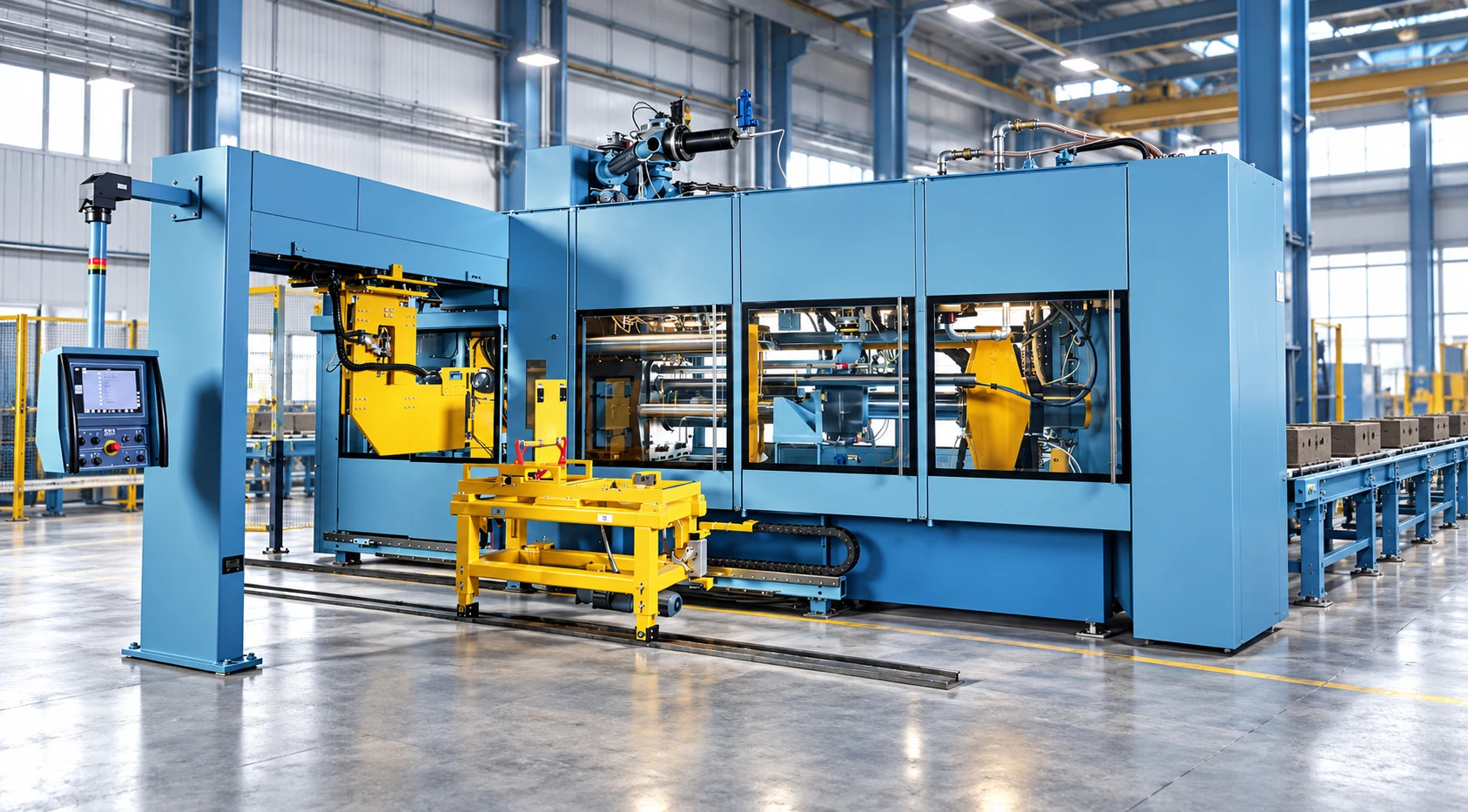
Automatic green sand moulding machine and mould transfer line.
Automatic moulding line: seal placement is determined by machine geometry and the operating cycle.

FOUNDRY AND MOULDING

Controlled contact around large frames

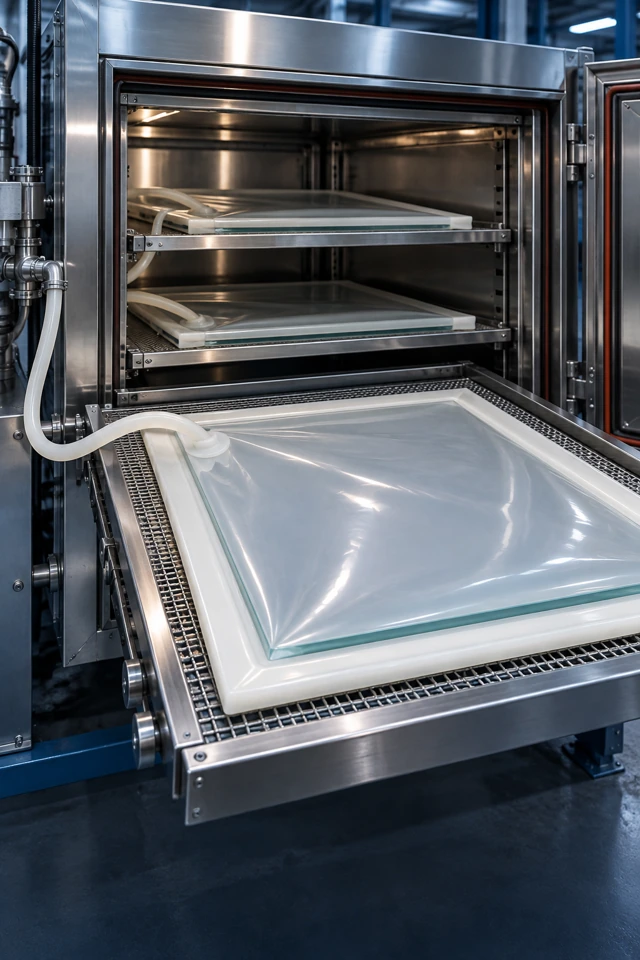
A polyurethane inflatable seal expands when air enters its hollow profile, bringing it into contact with the mating surface. In automatic green sand moulding equipment, the installation is assessed against machine movement, surface tolerances and groove geometry for repeated operating cycles.

Why consider polyurethane?

Polyurethane can be considered where flexibility and mechanical durability are assessed together. The compound and profile are selected according to the contact medium, temperature, wear conditions and cycle frequency. Operating pressure and temperature limits are established for each project.

Inflate, make contact, deflate

  1. Controlled air supply

    Air enters the hollow profile through its air connection. Supply and exhaust are coordinated with the machine sequence.

  2. Surface contact

    The profile expands towards the mating surface. The contact gap, surface tolerances and frame corners are assessed together for consistent contact.

  3. Exhaust and movement

    Air is exhausted before the equipment opens or moves. The seal and groove are checked in preparation for the next cycle.

Frame dimensions and air connections for your application

For wide rectangular, elongated rectangular or near-square frames, overall dimensions, profile section and corner geometry are specified together. Catalogue examples show a flat inner face, a gently convex outer face and an inward-facing air connection. The final geometry is assessed against the mounting groove.

Information needed for polyurethane seal selection
Information to providePurpose
Frame and groove dimensionsDefine inner and outer dimensions, groove section, corner radii and available installation space.
Contact gap and movementAssess expansion direction, surface tolerances and the opening and closing cycle.
Environment and air supplyReview actual seal temperature, contact medium, air pressure and exhaust arrangement together.
Drawing and existing seal photographsConfirm connection position, existing installation and replacement requirements.

Installation and care

Keep the mounting groove clean and install the seal without twisting it or straining the air connection. Initial operation and maintenance checks follow the machine manufacturer’s instructions. Cuts, wear, connection damage or uneven contact should be assessed before the next operating cycle.
PREPARING YOUR PROJECT

What information is needed for selection?

Technical drawings and photographs of the existing installation help us assess the profile and connection options together. Include the following information with your enquiry.

Application-specific selection information
Information to provideAssessment details
Machine and installationMoulding machine type, photographs of the seal seat and mating surface movement.
Frame dimensionsInner and outer width and length, profile section, corner radii and mounting groove.
Air connectionConnection quantity and direction, air line, inflation and exhaust sequence.
Environment and maintenanceActual seal temperature, abrasive environment, cycle frequency and existing wear patterns.

Frequently asked questions

Which equipment is this polyurethane range intended for?

This range is presented for automatic green sand moulding lines and large-frame foundry equipment. Suitability is established by reviewing the machine's groove geometry and operating conditions.

Can the frame dimensions shown in the catalogue be changed?

Frame proportions, profile section, corners and air connections are assessed together against the drawing. Manufacturing suitability and final dimensions are confirmed during quotation.

Can it directly replace a silicone seal?

Changing material requires more than matching overall dimensions. The groove, contact gap, pressure, temperature and environment must be checked for compatibility with the new material and profile.

Catalogue & technical resources

Explore the related catalogue and review profile and installation options alongside your application drawing.

Let us assess your application

Share dimensions, a technical drawing and the operating conditions. We will assess profile, material and air connection options for your project.

Scroll to Top